
Connecticut’s State Bird*
Sue Bird
Vitrix canis

Eastern Variety Known for red and blue striping along sides paired with a distinctive red and blue mark at mid-chest and -back that resembles the numeral "10."
Western Variety Primarily dark green with yellow stripes along sides paired with a distinctive bright yellow mark at mid-chest and -back that resembles the numeral "10."
Identification: Distinguished by size and wingspan. Eastern subspecies known for blue, red, and white plumage, while the Western is primarily green with bright mottled yellow markings. Both varieties are brown-capped and gold-crowned.
Habitat: Primarily found in deconstructed hardwood forests.
Prey: Chiefly leprechauns. In recent years, evolving to gamecocks. Hunts in formations of five.
Vocalization: Clear, distinct, repeated kutkut; contact call is a loud emphatic eymopen.
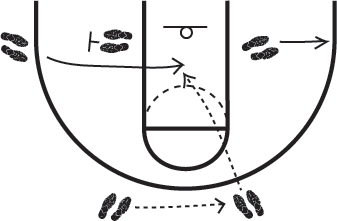
Hunting: Groups of five can often be found working cooperatively to vanquish prey – exhibiting outsized speed, agility, and vertical leaping.
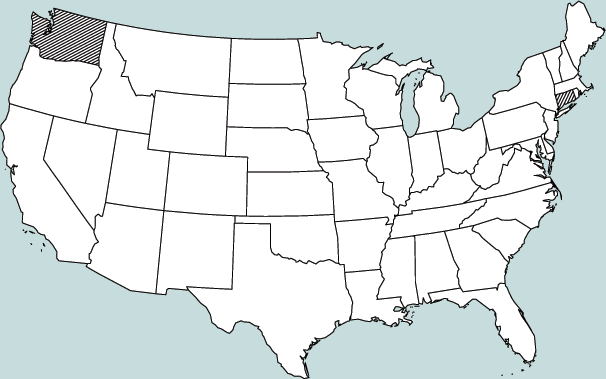
Range: Unusual discontinuous bicoastal range often found in the northeastern and northwestern corners of the U.S. Also spotted historically in Russia. Sightings in Athens, Beijing, London, Rio, Tokyo, and, recently, Berlin.
Behavior: Semi-flightless bird that can leap great distances to protect and retain possession of territory; known for speed and agility, aggressive territorial disputes, and cooperative flock behavior. Comfortable in a storm. Reacts adversely to whistles, especially those from birds of black and white plumage; recently has been associated with the peacock in mixed-species flocks.
Length: 69"
Wingspan: 69"
Weight: 2,400 oz
Social: Small flocks, cooperative groups of 12-15
Status: Extremely rare
*Every March, with Jordan Hawkins