

Hines — seen here at Griffith Observatory, Hollywood’s favorite spot for contemplating destiny and stardom — represents a counterintuitive approach to showbiz success: stop striving, start reacting.
Yes, and...
Accidental actor Will Hines teaches comedy’s golden rule — and lives by it.
By Tommi Lewis Tilden
Photos by Christa Yung
Will Hines wanted a ham and cheese sandwich from the deli downstairs. It was 2006, and he was a video producer at AOL in New York City, the kind of gig that meant wrangling cables, shooting simple interviews, and shuffling endless digital files.
“There’s some British singer doing an interview on the floor below us,” his boss said. “You might as well film her.”
“I was thinking about the lunch I had to get after,” Hines recalls. “I hit record, and she starts singing, and it was unbelievably good! I was completely stunned.”
Two months later, Amy Winehouse was a global superstar. Hines went back to thinking about lunch.
Two decades later, not much has changed. Hines ’92 (CLAS) is still drifting into surreal moments and reacting with calm curiosity — case in point, crawling across the bathroom floor of a Hollywood improv theater with his friend and business partner Jim Woods, spoofing the horror film “The Substance.” After seeing the movie, they wondered what would happen if Hines took the drug at the story’s center. Weeks later, they were shooting their own short film.
“Yesterday, I shot a piece on ‘Jimmy Kimmel,’” Hines says. “I was a dentist in some sketch. They called me last minute. ‘Can you be here in an hour?’ That was my day. I canceled everything else.”
At 55, Hines has built something rare in comedy — a career based on adaptability. He’s a reliable character actor and one of improv’s most respected teachers, running what he half-jokingly calls Improv Grad School.
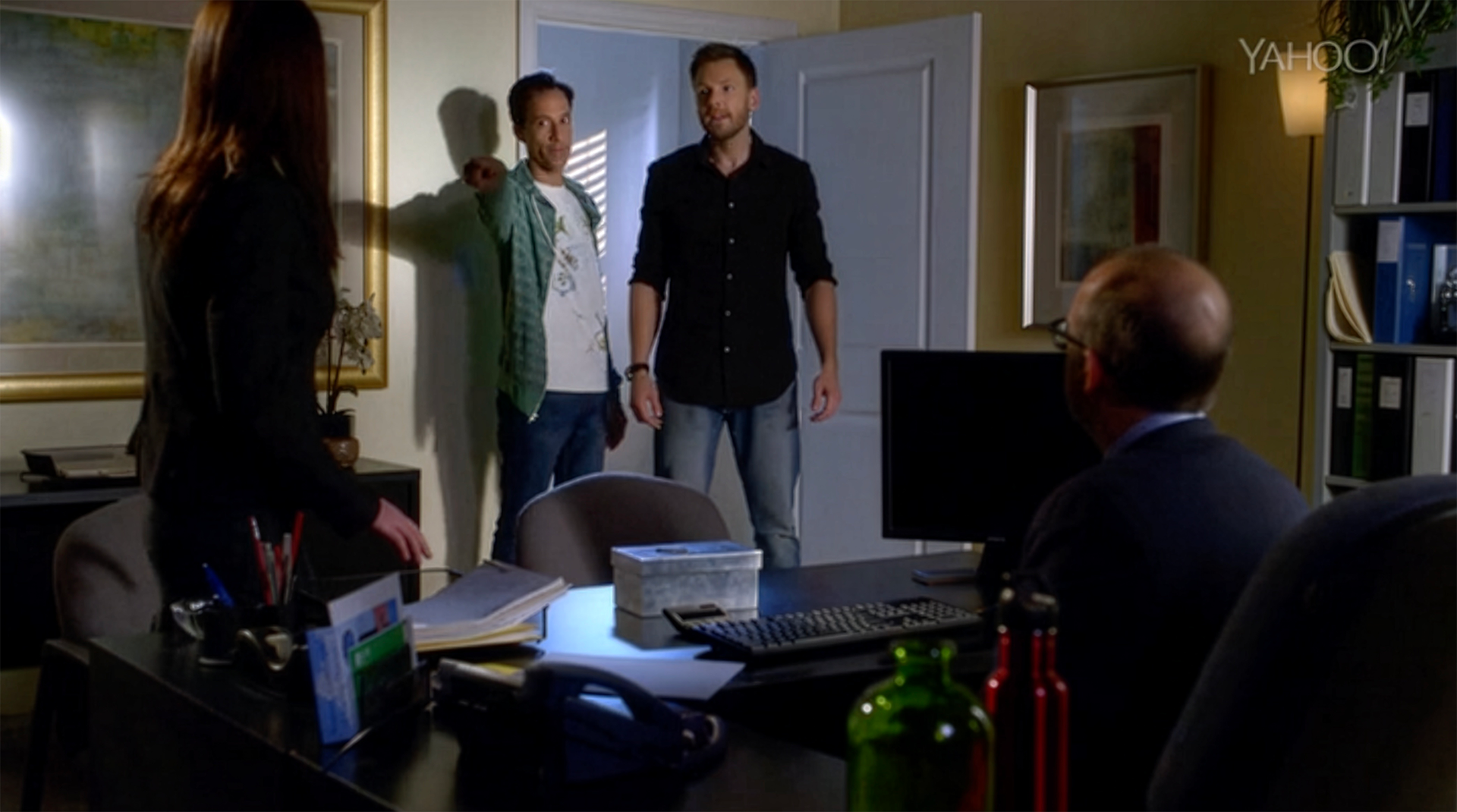
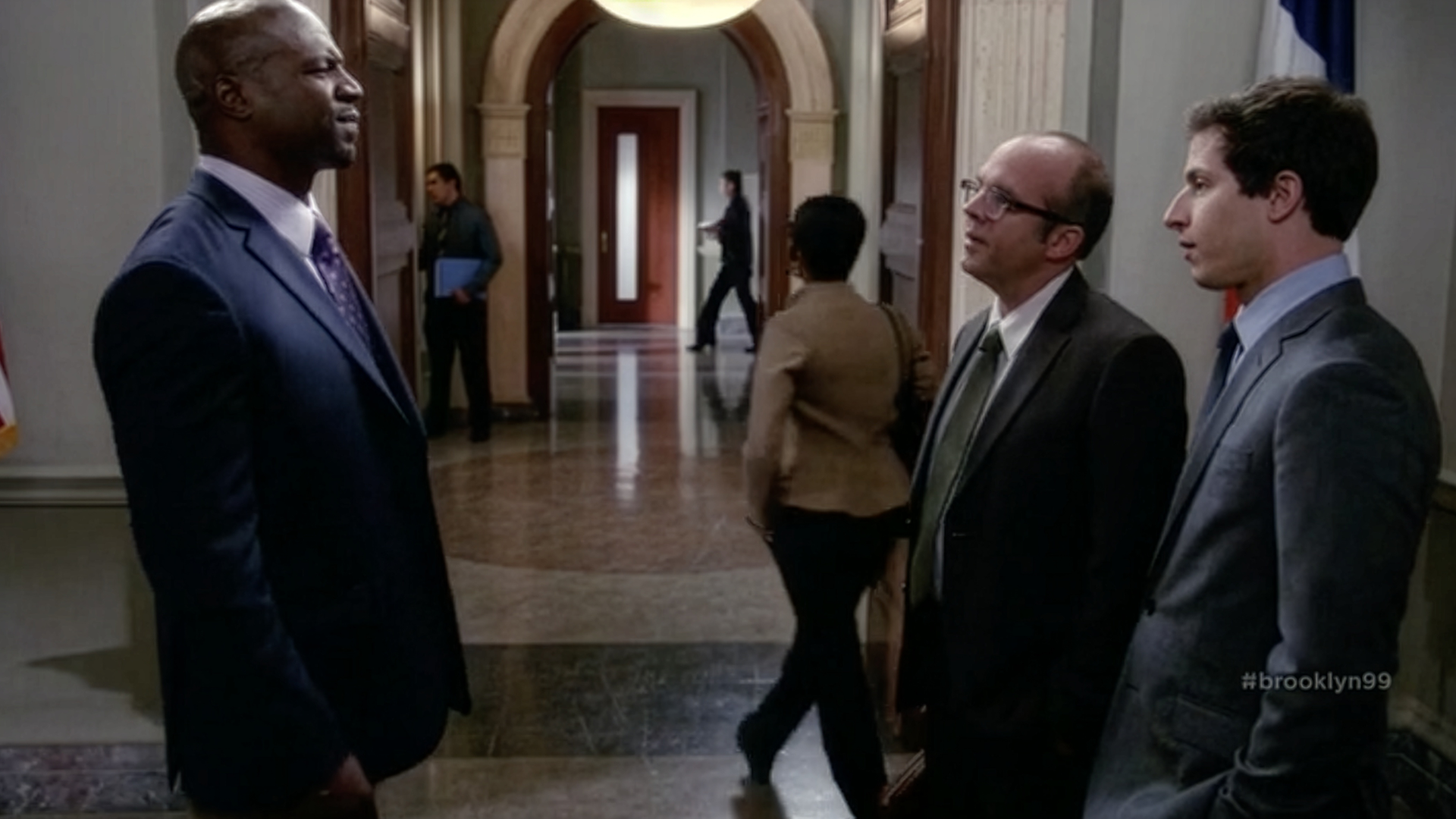
Hines can slip into the absurd with deadpan precision, whether playing a creepy landlord on “Broad City,” an icy district attorney on “Brooklyn Nine-Nine,” or a rich guy who hunts people on TBS’ “Lost” parody “Wrecked.”
The “Broad City” role was especially sweet. Hines had taught Abbi Jacobson and Ilana Glazer at Upright Citizens Brigade Theatre (UCB) and introduced them to Amy Poehler. After Poehler became their champion and producer, “they cast me in their show, partly as a thank-you, I think.”
That role marked his first time on television and “the first of many creeps that I’ve gotten to play,” he says laughing. Why does he keep getting cast as the creep? “I’m a shy person, so when I’m at rest, I’ll stay very still and try not to betray any feelings out of what I think is politeness, but I think it comes across as, ‘What’s that weirdo thinking?’”
On “Brooklyn Nine-Nine,” Andy Samberg encouraged him to improvise and even directed him to “go smaller, completely dead.” He was right, Hines says. “It was funnier that way.”
His favorite project was “Wrecked,” where he spent 10 weeks in Fiji playing an alpha-bully loudmouth jerk who hunts people for sport. “The showrunners liked having us play against our appearances. I love playing villains,” Hines admits. “It’s no problem for me. I don’t know what that says about my personality, but I love being the bad guy.” The series never found a wide audience, but Hines remembers it fondly: “The cast and crew were so happy to be working that everyone had a great time.”
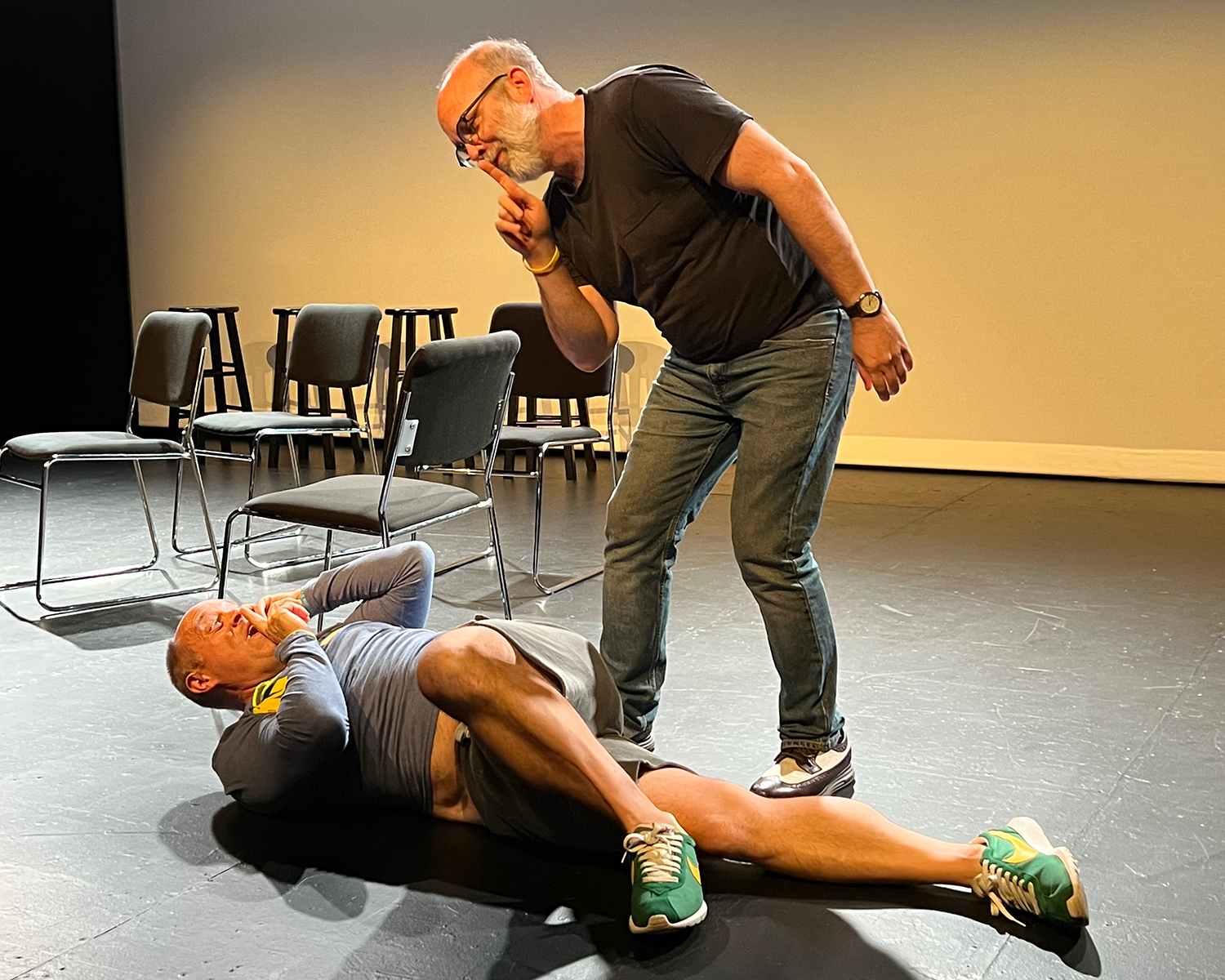
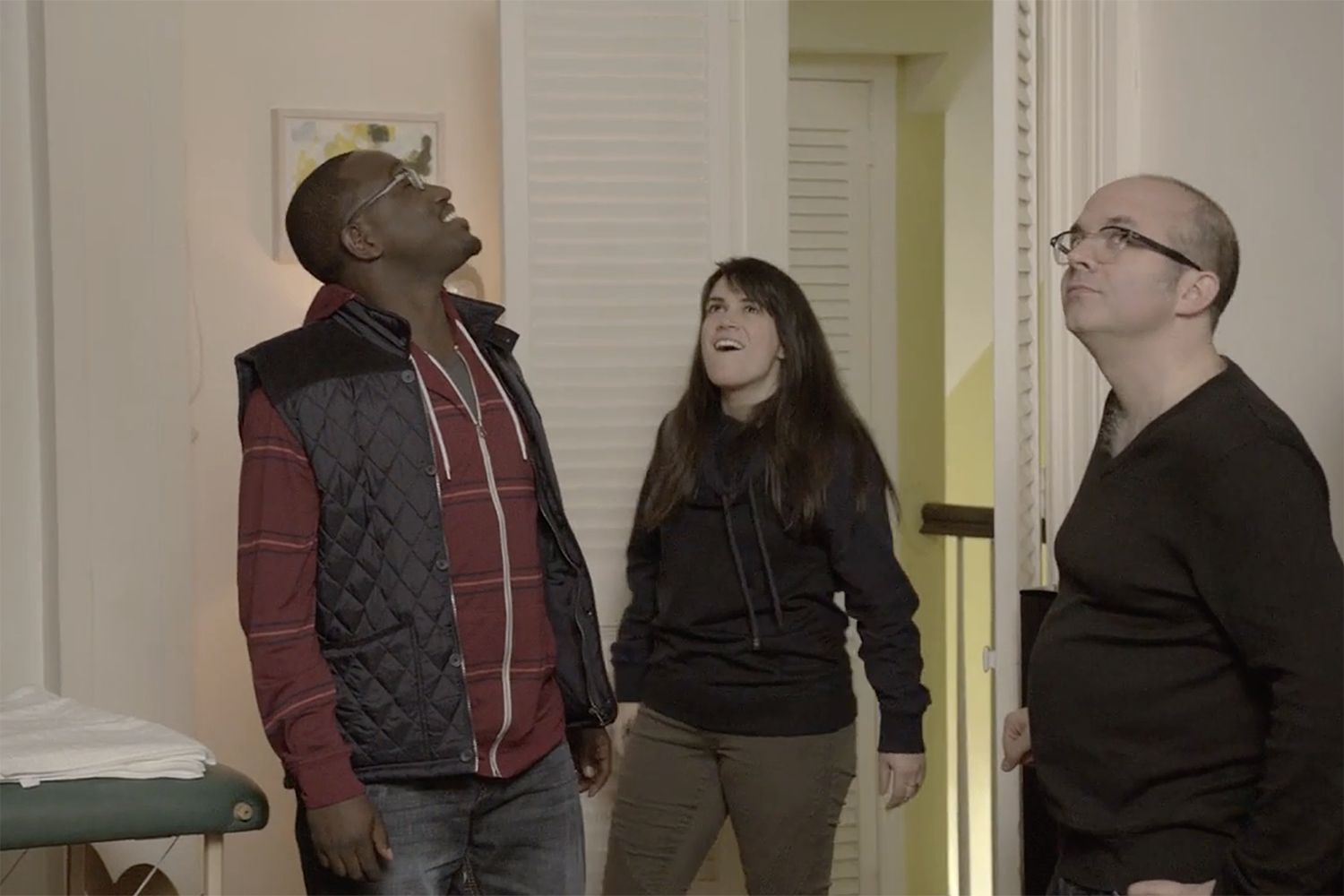
Ian Roberts, co-founder of the Upright Citizens Brigade Theatre, calls Hines a “modern-day Bob Newhart,” who finds humor in life’s absurdities simply by reacting honestly to them. “Not many people realize how valuable that is. If you don’t have someone who presents a realistic response to what you’re doing, it’s like trying to play handball without a wall,” says Roberts. “Will just plays a great guy who reacts truthfully and very realistically to what’s presented.”
But unlike Newhart, Hines can flip the dynamic when needed. “He could also be doing what I’m doing, you know, be the guy who’s acting crazy,” says Roberts, referring to their outsized personas on the YouTube series “Getting Coffee with Will Hines and Ian Roberts.”
“He’s 100% game for anything,” agrees Brett Morris, producer of the popular “Comedy Bang! Bang!” podcast. On the show, Hines has conjured characters like Morpheus the Dream Lord, who once put an entire live audience under a sleep spell. “I love the juxtaposition of these grand character ideas with the mild-mannered reality,” Morris says. “It really cracks me up.”
Offstage, Hines’ mild-mannered reality is front and center. At 5'7" and wearing wire-rimmed glasses, he radiates the amused calm of a suburban dad watching his kids invent a game with rules no adult could follow.
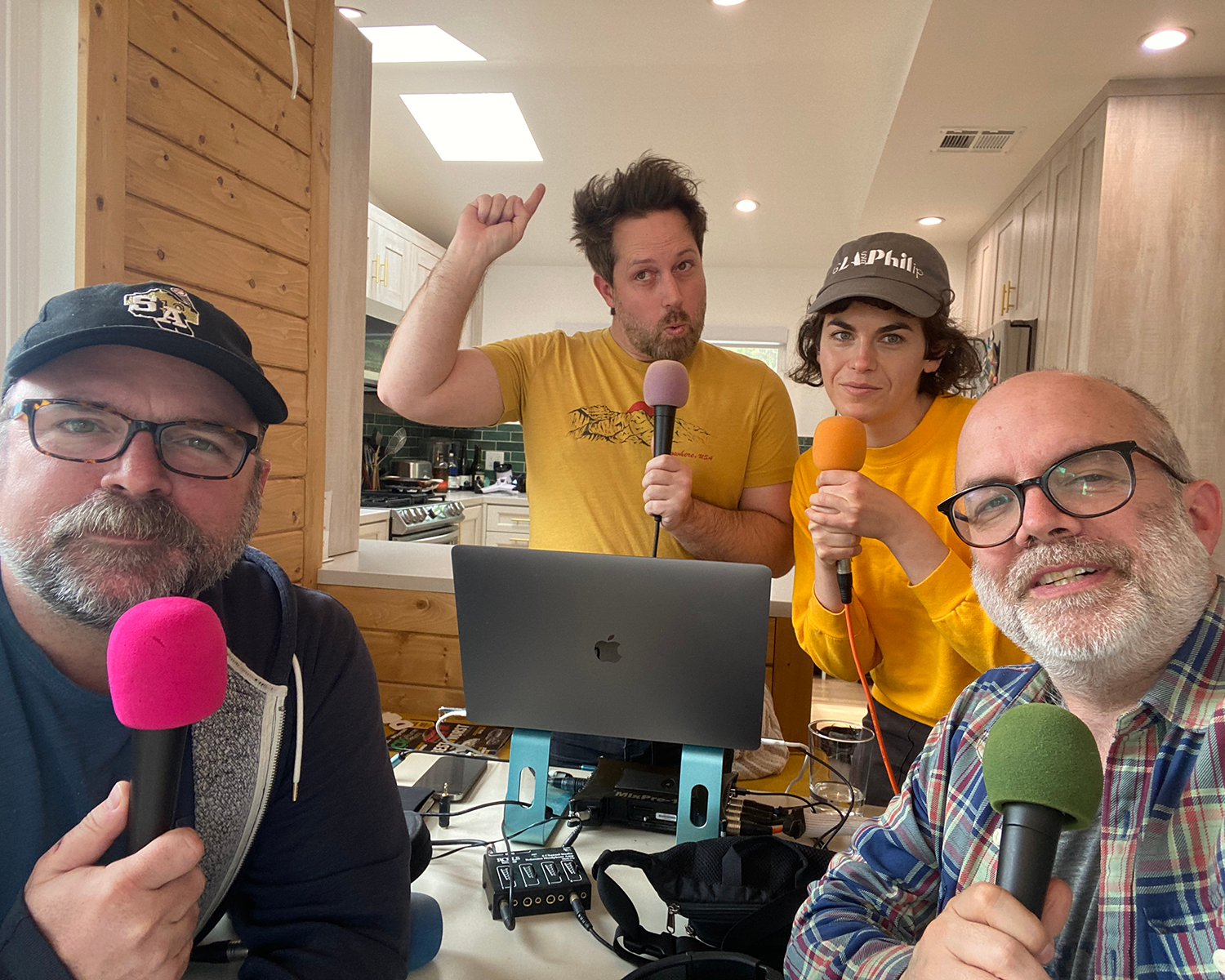
“He looks very shut off, but students find him very approachable,” says Jim Woods, who co-owns the World’s Greatest Improv School (WGIS) with Hines. “He’s way more self-aware onstage than off. It’s his mutant power — audiences don’t see it coming.”
Growing up in Danbury, Connecticut, Hines was the “funny kid” among comedy-nerd friends who obsessed over “Spinal Tap,” Eddie Murphy, Robin Williams, and Steve Martin.
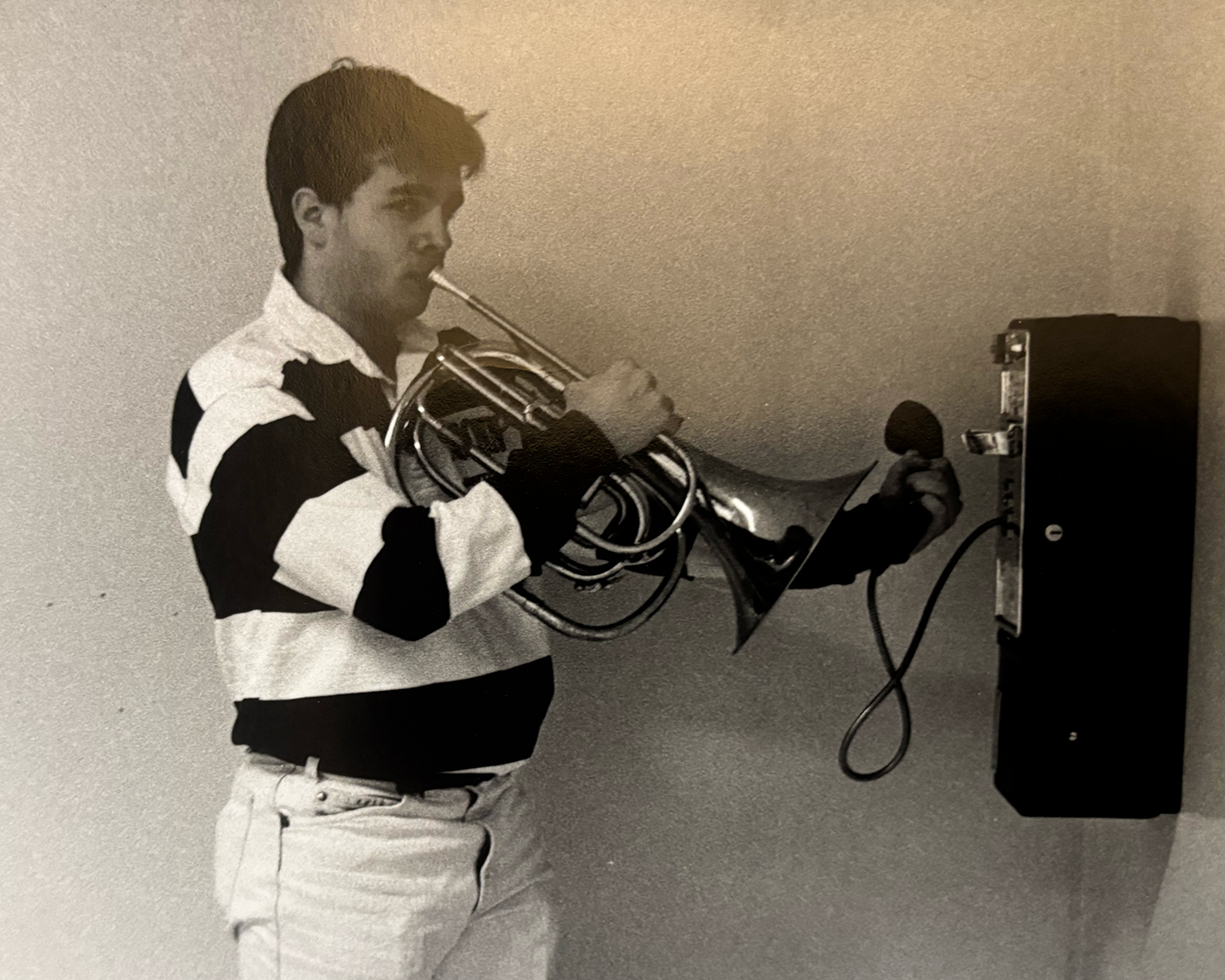
At UConn, comedy wasn’t a career goal — he changed majors four times before getting an English degree. Still, he kept cracking jokes in marching band. “Marching band, weirdly, was my first comedy school,” he says. “It was full of eccentrics trying to make each other laugh during football games and road trips.”
His career path was beautifully crooked: small-town journalist (“loved it but left because I was broke”), dot-com programmer (“hated it but it paid well”), and that AOL job. Then, at 30, he wandered into a UCB improv class “just to be around creative people.” Classes turned into performing, then teaching. Suddenly he was instructing future stars like Jacobson and Glazer.
By 42, Hines had moved to Los Angeles, was still teaching at UCB, and was writing a Tumblr blog (now a Substack) called “Improv Nonsense” that happened to go global. The blog turned into books — “How to Be the Greatest Improviser on Earth” and “Improv Nonsense: All the Posts” — which spread his improv wisdom worldwide. He flew to Beijing to teach through a translator, and European improv clubs started flying him over for workshops.
“That stuff I didn’t see coming,” he says.
Roberts ... calls Hines a "modern-day Bob Newhart" who finds humor in life's absurdities simply by reacting honestly to them.
When the pandemic gutted live theater, Hines saw opportunity. In 2022, he, Woods, and Sarah Claspell launched WGIS. By October 2023, they’d opened their permanent space inside a former RadioShack at a Hollywood strip mall, where neighbors include a pawnshop and a hookah lounge.
Stepping inside the blackout glass doors one Monday in July, this writer finds it packed with students buzzing with the energy of people who just spent hours chasing laughs and making something out of nothing.
“If it’s not funny, you did it wrong,” Hines tells them. His vibe isn’t drill-sergeant harsh but more like an uncle reminding you the grill won’t light if you don’t press the ignition.
He refers to WGIS as grad school for a few reasons: “We have more quality control. We have more oversight. And it’s harder. We actually want it to be hard work to be onstage. Not expensive, not pay-to-play. But if you’re on our stage, it’s mandatory rehearsals, teachers giving you notes.”
It’s working — the school recently sold out three weeks of intensives, drawing students from across the country. “No more amateur dabblers,” he wrote in his Substack. “Only the people who are truly sick for improv show up.”
A hallmark of improv is to find comedy in unusual or foolish premises, then commit fully until the premise feels justified or inevitable. After his students perform a scene about cops with a quota for putting animals out of their misery, Hines tells them: “The more you have to explain the logistics, the funnier it is. Where’s this precinct? What do people say when they call about the animals?”
Comedy has mutated since Hines started. “You don’t just do a rom-com anymore — it’s a rom-com horror meta mockumentary with a surrealist bent. The worst teachers think they have it figured out. You never have it figured out. You have to constantly switch.”
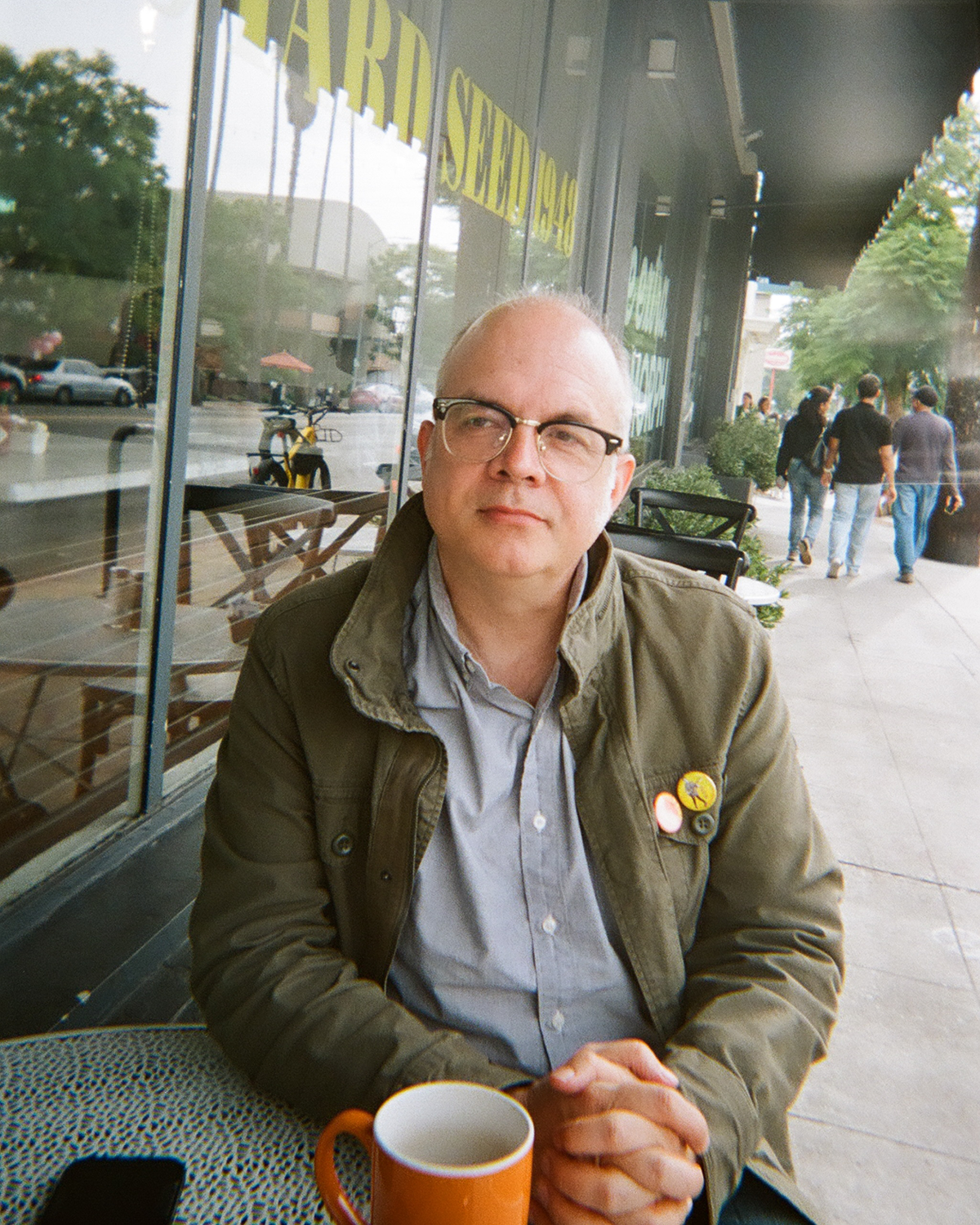
Instant Improv: Hines suggests that, while waiting for his sandwich at Mustard Seed Cafe in LA’s uber hip Los Feliz neighborhood, he might have been thinking: “I wonder if there are any roles for bald guys on the next season of ‘Pluribus?’” or “How many Beatles references can I force into my improv teaching today?” or “Should I buy a new electric guitar so I can play badly on new equipment?”
That philosophy extends beyond his comedy. When he was 15, his mother died of cancer at age 39, leaving him wary of long-term plans. “So, when I was 30, I was like, what if I only have nine years left? I’m not gonna stay at some weird office job that I’m not liking.”
Hines sees security as an illusion. “What’s the point of getting tied down when you’re not really feeling it?”
It explains the zigzag résumé, the cross-country move, the willingness to start a school in his fifties. It also explains the deep bonds he’s forged in a competitive industry. Woods calls him that guy you put down as your emergency contact.
The freelance life isn’t glamorous, but it’s authentic. “You don’t get money; you don’t get financial security,” says Hines, “but you get to give a shit about what you’re doing. That’s the trade-off.”
Hines is the improviser’s improviser, equally at ease anchoring chaos or conjuring lunatic dream spells. “Will has made a name for himself by embracing the format almost like a stunt man,” Morris says, “jumping straight into the deep end with absolutely minimal premise and building a brilliant character on the spot.”
“My day-to-day is watching people onstage get good, going onstage at night with friends, having coffee with people, and talking about scripts,” Hines says. “Every day I’m not in a cubicle giving my life to somebody else’s dream is a victory.”
For Hines, sustainability doesn’t mean locking down the future — it means building systems that can bend with it. Whether it’s a last-minute gig on late-night TV, a spoof filmed in a bathroom, or an improv school in a Hollywood strip mall, the principle remains the same: Commit completely, and trust that the funny will follow.
In other words, forget about the ham and cheese sandwich, press record, and let the magic happen. Because sometimes the best plan is no plan.